Introduction
In today's fast-paced and ever-changing business landscape, organizations are constantly striving to stay ahead of the competition. One of the key factors that determine a company's success is its ability to adapt and respond quickly to market trends and customer demands. This is where achieving business agility becomes crucial.
One of the ways organizations can achieve business agility is through the implementation of solution architecture in agile environments. Solution architecture provides a structured approach to designing and implementing software solutions that align with an organization's strategic goals and objectives. In this article, we will explore how solution architecture can help organizations achieve business agility in agile environments.
Why is Business Agility Important?
Before diving into the specifics of solution architecture in agile environments, it is important to understand why business agility is important for organizations. In today's digital age, technology advancements and market disruptions are happening at an unprecedented rate. Organizations that fail to adapt quickly risk being left behind by their competitors.
Business agility allows organizations to respond rapidly to changes in the market, customer preferences, and technological advancements. It enables them to seize new opportunities, address emerging challenges, and stay ahead of the curve. By achieving business agility, organizations can not only survive but thrive in today's dynamic business environment.
What is Solution Architecture?
Solution architecture refers to the process of designing and implementing software solutions that meet an organization's specific needs and requirements. It involves identifying Solution Architect and defining the components, structure, behavior, and interactions of a software solution to ensure it aligns with an organization's overall enterprise architecture.
Solution architects play a critical role in ensuring that software solutions are designed in a way that maximizes efficiency, effectiveness, scalability, click here and maintainability. They work closely with stakeholders, developers, project managers, and other IT professionals to translate business requirements into technical specifications.
How Does Solution Architecture Enable Business Agility?
Solution architecture plays a vital role in enabling business agility in agile environments. Here are some ways in which solution architecture contributes to achieving business agility:
1. Alignment with Strategic Goals
Solution architecture ensures that software solutions are aligned with an organization's strategic goals and objectives. By understanding the business context, solution architects can design solutions that support the organization's long-term vision and enable it to achieve its desired outcomes.
2. Flexibility and Adaptability
Agile environments require organizations to be flexible and adaptable to changes. Solution architecture enables organizations to build software solutions that can easily adapt to changing business requirements, market conditions, and customer preferences. This flexibility Learn more here allows organizations to respond quickly to new opportunities or challenges and make necessary adjustments to their software solutions.
3. Scalability and Growth
As organizations grow, their software requirements also evolve. Solution architecture ensures that software solutions are designed in a scalable manner, allowing them to accommodate future growth without significant disruptions or rework. This scalability enables organizations to expand their operations, enter new markets, and serve a larger customer base without compromising on performance or stability.
4. Integration and Interoperability
In today's interconnected world, organizations rely on various software systems and platforms to carry out their operations. Solution architecture enables seamless integration and interoperability between different software solutions, allowing data and information to flow smoothly across the organization. This integration enhances collaboration, efficiency, and productivity, leading to better business outcomes.
5. Risk Management
Agile environments often involve taking calculated risks in order to drive innovation and stay ahead of the competition. Solution architecture helps organizations manage these risks by identifying potential issues, bottlenecks, or dependencies early in the development process. By addressing these risks proactively, solution architects can minimize project delays, cost overruns, or quality issues that could impact the overall success of a software solution.
6. Continuous Improvement
Achieving business agility requires organizations to continuously improve their software solutions and processes. Solution architecture promotes a culture of continuous improvement by providing a framework for evaluating, refining, and optimizing software solutions. By regularly reviewing and updating the architecture, organizations can ensure that their software solutions remain aligned with changing business needs and technological advancements.

FAQs about Achieving Business Agility with Solution Architecture in Agile Environments
Q1: What is the role of a solution architect in achieving business agility?
A1: Solution architects play a crucial role in achieving business agility by designing and implementing software solutions that align with an organization's strategic goals, are flexible and adaptable to changes, scalable for future growth, integrate seamlessly with other systems, manage risks effectively, and enable continuous improvement.
Q2: How does solution architecture support the agile methodology?
A2: Solution architecture supports the agile methodology by providing a structured approach to designing and implementing software solutions in iterative and incremental cycles. It ensures that each iteration or sprint contributes to the overall architecture while allowing for flexibility and adaptability to changing requirements.
Q3: What are some popular tools for application portfolio management?
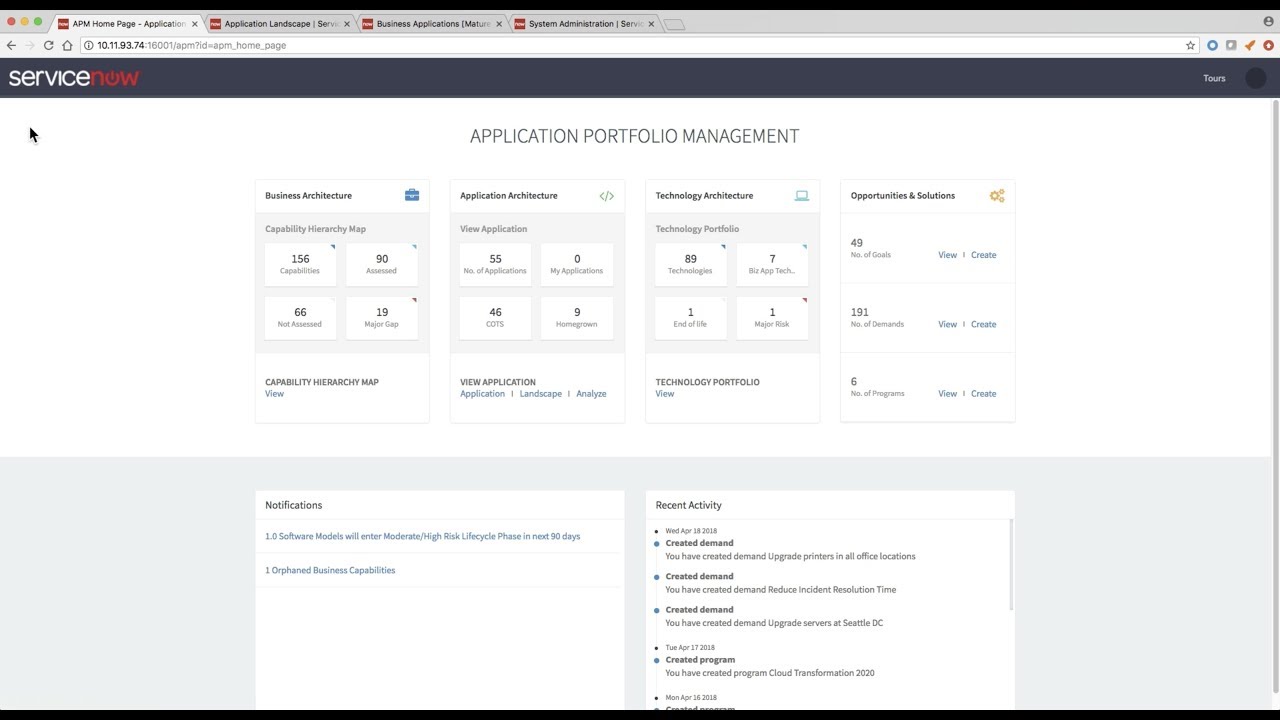
A3: Some popular tools for application portfolio management include ServiceNow Application Portfolio Management (APM) tools, which provide organizations with insights into their application landscape, including usage, dependencies, and costs. These tools help organizations make informed decisions about application rationalization, modernization, or retirement.
Q4: How can enterprise architecture tools contribute to achieving business agility?
A4: Enterprise architecture tools enable organizations to manage and govern their overall IT landscape. They provide insights into the dependencies between different systems, identify redundancies or inefficiencies, and facilitate decision-making regarding technology investments. By using enterprise architecture tools effectively, organizations can achieve better alignment between IT initiatives and business objectives.
Q5: What are some challenges organizations may face when implementing solution architecture in agile environments?
A5: Some challenges organizations may face when implementing solution architecture in agile environments include balancing the need for flexibility with architectural governance, aligning the architectural vision with short-term deliverables, managing dependencies between different teams or projects, and ensuring effective communication and collaboration between stakeholders.
Q6: How can organizations measure the success of achieving business agility with solution architecture?
A6: Organizations can measure the success of achieving business agility with solution architecture by evaluating key performance indicators such as time-to-market, customer satisfaction, innovation rate, project success rate, and overall business value delivered. Regular reviews and feedback loops can help organizations identify areas for improvement and track progress towards their business agility goals.
Conclusion
Achieving business agility is essential for organizations to thrive in today's dynamic business environment. Solution architecture plays a critical role in enabling business agility in agile environments by providing a structured approach to designing and implementing software solutions that align with an organization's strategic goals. By leveraging solution architecture effectively, organizations can build flexible, scalable, integrated, and continuously improving software solutions that drive innovation and enable them to adapt quickly to changing market conditions.